
Choosing Your First RC Car: Your Ultimate Starter Guide
- Mar 12
- 5 min read
So, you’re ready to dive into the exciting world of RC cars! Whether you’re a teen looking for a thrilling new hobby, a parent wanting to share some outdoor fun, or just someone who loves the buzz of speed and control, picking your first RC car can feel a bit overwhelming. But don’t worry - I’m here to guide you through every twist and turn. By the end of this post, you’ll be revved up and ready to choose the perfect ride that fits your style and skill level.
Let’s get started!
Why Choosing Your First RC Car Matters
Picking your first RC car isn’t just about grabbing the coolest-looking model on the shelf. It’s about finding a machine that matches your interests, your budget, and your environment. The right choice will keep you motivated, help you learn quickly, and make every drive a blast.
Here’s why it’s important to think it through:
Skill Level: Some cars are perfect for beginners, while others are built for speed demons who know their way around a controller.
Terrain: Will you be racing on smooth pavement, rough dirt tracks, or maybe even off-road trails? Different cars handle different surfaces.
Budget: RC cars come in a wide price range. Knowing what you want to spend helps narrow down your options.
Maintenance: Some models require more upkeep than others. If you want a low-maintenance ride, that’s a key factor.
Choosing wisely means you’ll enjoy your RC car longer and get the most out of every run.
How to Choose Your First RC Car: Key Factors to Consider
Let’s break down the essentials you need to look at when picking your first RC car. Think of this as your checklist to make sure you get the best fit.
1. Type of RC Car
There are several types of RC cars, each designed for different styles of driving:
On-Road Cars: These are fast and smooth, perfect for racing on paved surfaces. They have low ground clearance and sleek bodies.
Off-Road Cars: Built tough with big tires and suspension, these handle dirt, gravel, and grass like champs.
Trucks and Buggies: Great for beginners, they’re versatile and forgiving on rough terrain.
Rock Crawlers: Slow but steady, these are for climbing over rocks and obstacles.
Think about where you’ll be driving most often and pick a type that suits that environment.
2. Power Source: Electric vs. Nitro
Your RC car’s power source affects performance, noise, and maintenance.
Electric Cars: These are quiet, easy to maintain, and great for beginners. They use rechargeable batteries and are ready to run almost immediately.
Nitro Cars: Powered by small gas engines, these offer more speed and realism but require more care and tuning.
If you want something simple and hassle-free, electric is the way to go. For those craving a more authentic racing experience, nitro might be your pick.
3. Ready-to-Run (RTR) vs. Kit
RTR Models: These come fully assembled and include everything you need to start driving right away. Perfect for beginners who want instant fun.
Kit Models: These require assembly and sometimes painting. Great if you love tinkering and want to learn the mechanics.
Starting with an RTR model is usually the best bet for your first RC car. You can always upgrade or build a kit later!
4. Size and Scale
RC cars come in different scales, which is the size ratio compared to a real car. Common scales include 1/10, 1/12, and 1/18.
Larger scales (like 1/10) are more stable and easier to control.
Smaller scales are more portable and often less expensive.
If you want a car that feels substantial and handles well outdoors, go for a 1/10 scale.
5. Durability and Build Quality
Your first RC car will likely take some bumps and crashes. Look for models with sturdy frames, quality suspension, and replaceable parts. This means your car will last longer and be easier to repair.
6. Speed and Control
Beginners don’t need the fastest car on the market. Look for models with adjustable speed settings and smooth steering controls. This helps you learn without getting frustrated.

Electric RC cars are perfect for beginners who want quiet, easy-to-use vehicles.
Getting Started with Your First RC Car: Tips and Tricks
Once you’ve picked your ride, it’s time to hit the track! Here are some tips to make your first experience awesome:
Read the Manual: Sounds obvious, but it’s easy to skip. The manual has crucial info on setup and maintenance.
Charge Your Batteries Fully: For electric cars, a full charge means longer run times and better performance.
Practice in Open Spaces: Start in a wide, obstacle-free area to get comfortable with controls.
Adjust Settings Gradually: If your car has speed or steering adjustments, start slow and increase as you improve.
Keep Spare Parts Handy: Tires, batteries, and small screws can wear out or get lost. Having extras saves frustration.
Join a Community: Online forums and local clubs are great for advice, support, and even friendly races.
Remember, every pro was once a beginner. Have fun and don’t be afraid to make mistakes!
Why I Recommend Starting with my first rc car
When I got into RC cars, I wanted something that was easy to use but still packed a punch. That’s why I recommend checking out my first rc car. It’s designed specifically for newcomers, with features that make learning a breeze:
User-friendly controls that won’t overwhelm you.
Durable build to handle crashes and rough play.
Great value for the price, so you don’t have to break the bank.
Support and upgrades available as you get better.
Starting with a model like this sets you up for success and keeps the excitement alive.

Off-road RC trucks are perfect for tackling dirt trails and uneven surfaces.
Upgrading and Customizing Your RC Car
Once you’ve mastered the basics, the fun really begins. RC cars are incredibly customizable, and upgrading parts can boost performance and style.
Here are some popular upgrades to consider:
Better Batteries: Higher capacity or faster charging batteries mean longer and more powerful runs.
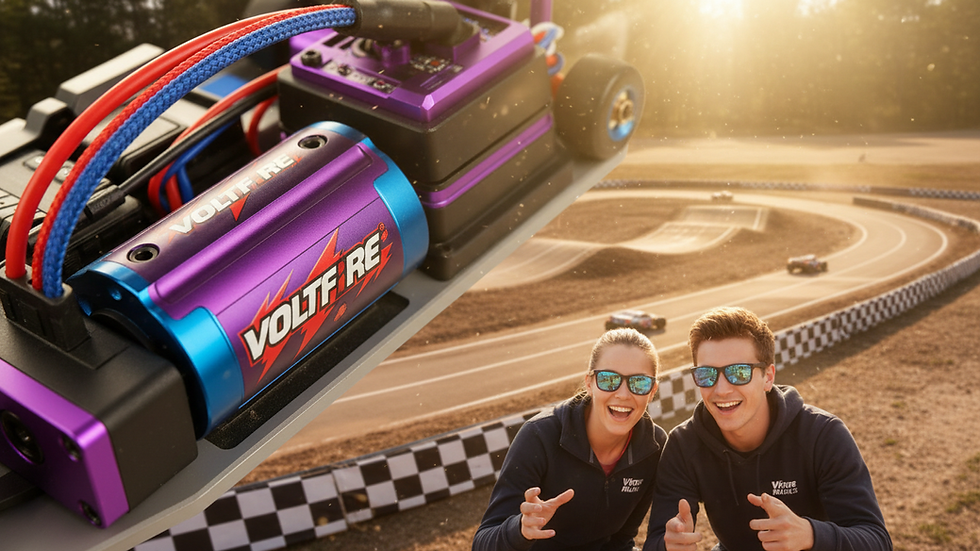
Upgraded Motors: Brushless motors offer more speed and efficiency.
Suspension Kits: Improve handling on rough terrain.
Tires: Different tires for different surfaces can make a huge difference.
Body Shells: Customize the look with cool designs and colors.
Upgrading is a great way to keep your hobby fresh and challenge yourself with new skills.
Ready to Roll? Your First RC Car Adventure Awaits!
Choosing your first RC car is the start of an exciting journey. With the right knowledge and a bit of enthusiasm, you’ll be tearing up tracks, mastering controls, and maybe even joining races before you know it.
Remember to pick a car that fits your style, start slow, and most importantly - have fun! The world of RC cars is full of thrills, challenges, and endless possibilities. So go ahead, grab your controller, and let the adventure begin.
Happy racing!


Comments